
Surveillance Camera Systems: Design, Installation, and Support
Surveillance camera systems provide visibility into a facility’s operations, security conditions, and activity. They allow incidents to be monitored in real time, recorded for review, and verified when needed.
Andrew Casey Integration provides surveillance camera system design, installation, and support for commercial, industrial, and institutional facilities in Dayton, Cincinnati, Columbus, Toledo, and surrounding areas. Systems are developed around building layout, coverage requirements, and operational needs, so monitoring is clear, reliable, and usable.
How Surveillance Systems Work
A surveillance system captures, records, and presents video from key areas throughout a facility.
- Cameras capture video based on placement and coverage design
- Video is transmitted to a central recording system or network
- Footage is stored for later review and retrieval
- Live and recorded video can be accessed locally or remotely
- Alerts and motion events can trigger recording or notifications
The system is designed to provide consistent coverage, clear image quality, and reliable access to recorded data.
Camera Types and Applications
Different camera types are used based on the environment and coverage requirements.
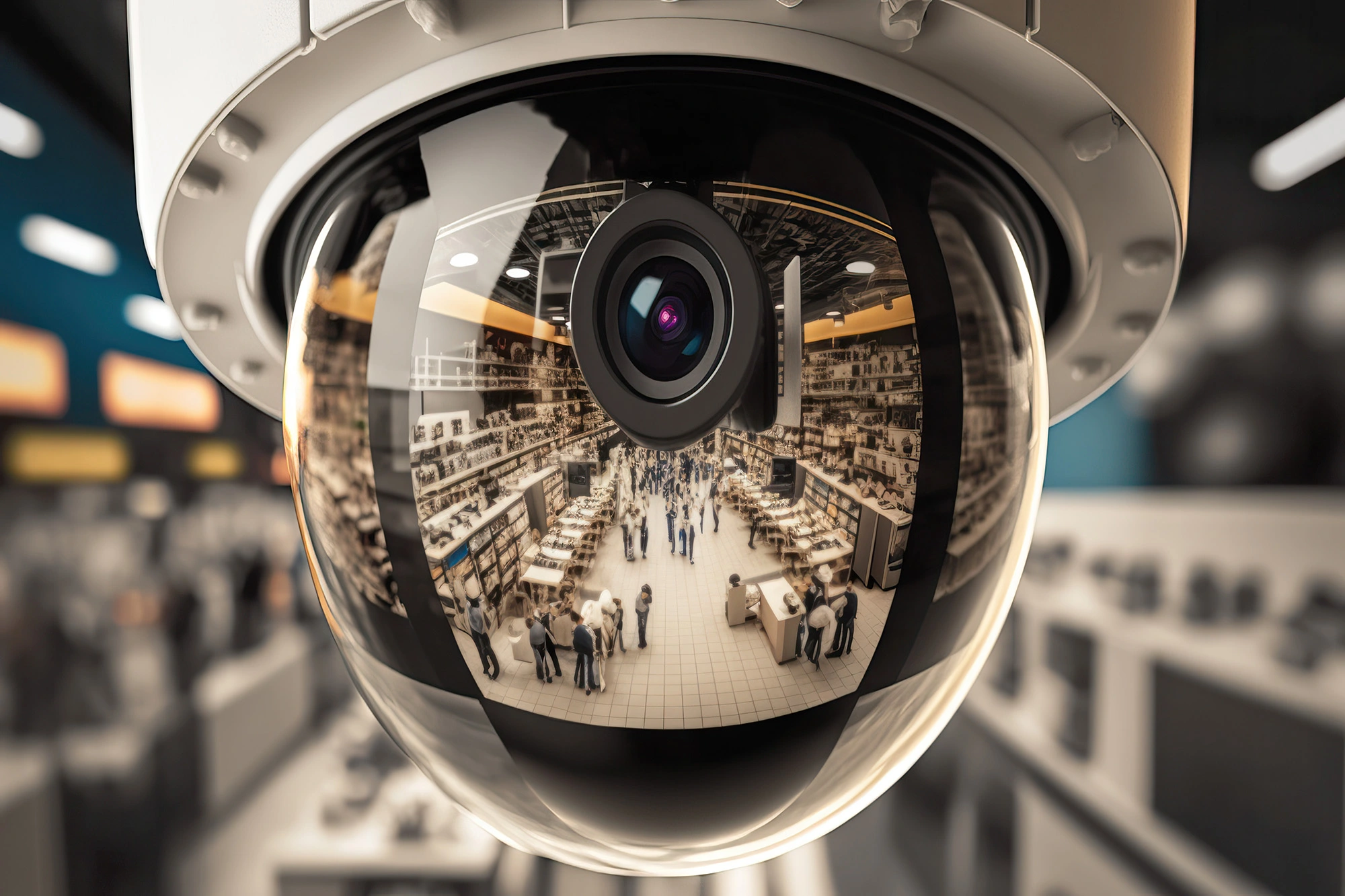
Dome Cameras
- Used indoors for general coverage
- Low-profile design for offices, retail, and common areas
Bullet Cameras
- Used outdoors or for long-distance viewing
- Visible deterrent for perimeters and parking areas
PTZ Cameras (Pan-Tilt-Zoom)
- Adjustable cameras for large or active areas
- Used where operators need to control the viewing direction
Panoramic and 360-Degree Cameras
- Wide-area coverage from a single mounting point
- Used in large open spaces such as lobbies or warehouses
Thermal Cameras
- Detect heat rather than visible light
- Used in low-light environments or specialized monitoring conditions
Camera selection is based on lighting conditions, field of view, mounting location, and coverage goals.
System Integration
Surveillance systems often integrate with other building systems to provide coordinated security.
Integration may include:
- Access control systems for entry verification
- Intercom and entry systems for controlled access points
- Intrusion and alarm systems
- License plate recognition (LPR) for vehicle monitoring
- Remote monitoring and alert systems
Integration allows facilities to verify events, manage access, and respond more effectively.
Security and Compliance Considerations
Surveillance systems may also be developed around specific security and procurement requirements, including NDAA-compliant hardware for government, military, and other regulated environments.
Cloud and On-Premise Storage Options
Surveillance systems can be configured for cloud-based storage, on-premise recording, or a hybrid approach. The right choice depends on retention requirements, available bandwidth, security policies, remote access needs, and how the facility wants video managed.
- Cloud storage can simplify remote access and off-site retention
- On-premise storage gives the facility direct control over recording hardware and data
- Hybrid systems combine local recording with cloud access or backup for added flexibility
Storage design should match the facility’s operational needs, compliance requirements, and network infrastructure.
Video Management and Recording
Surveillance systems rely on video management and storage to make recorded data usable.
- Centralized video management systems (VMS)
- Local or network-based recording systems
- Cloud or hybrid storage where appropriate
- Remote access for live and recorded video
- Event-based recording and alerting
Proper configuration ensures footage is accessible, retained appropriately, and usable when needed.
Installation and System Configuration
Installation involves deploying cameras, wiring, and system components so coverage and performance meet design requirements.
System configuration includes:
- Camera placement and field of view adjustment
- Recording schedules and storage settings
- User access and permissions
- Alert and notification setup
- Integration with other systems
A properly installed and configured system provides consistent performance and clear monitoring.
Maintenance and Ongoing Support
Surveillance systems require ongoing service to maintain image quality and system reliability.
Maintenance may include:
- Camera inspection and cleaning
- Re-aiming and coverage adjustment
- System testing and verification
- Software and firmware updates
- Storage and performance checks
Regular maintenance ensures the system continues to perform as expected over time.
Applications
Surveillance camera systems are used across a range of environments:
- Office buildings
- Retail and multi-tenant spaces
- Warehouses and industrial facilities
- Healthcare and educational buildings
- Parking areas and exterior perimeters
Each environment requires different coverage strategies and system configurations.
Why Choose Andrew Casey Integration
Andrew Casey Integration approaches surveillance systems as operational tools, not just installed cameras. System design, installation, and support are aligned with how facilities monitor activity, verify events, and manage security.
The focus is on usable video, reliable system performance, and long-term serviceability so the system continues to provide value over time.
Surveillance Camera FAQ
What does a surveillance camera system do?
A surveillance system captures and records video from key areas within a facility, allowing for real-time monitoring and review of recorded events.
Can surveillance systems be accessed remotely?
Yes. Most systems allow remote access to live and recorded video through secure applications or network connections.
How long is video footage stored?
Storage duration depends on system configuration, storage capacity, and facility requirements. Retention can be adjusted based on operational or compliance needs.
What affects camera image quality?
Image quality depends on camera type, resolution, lighting conditions, placement, lens selection, available bandwidth, and overall system configuration.
Can surveillance systems be integrated with other security systems?
Yes. Surveillance systems can integrate with access control, intercom, alarm systems, and other security technologies to provide coordinated monitoring and response.
Do surveillance systems require maintenance?
Yes. Cameras and system components require regular inspection, cleaning, updates, and testing to maintain performance and reliability.
Expert Technicians
Our team has extensive experience in designing, installing, and servicing surveillance camera systems, including integration with access control and thermal cameras.
Transparent Pricing
We offer clear, upfront pricing with no hidden fees, allowing for straightforward budgeting and financial planning.
Emergency Services
We provide rapid response to any issues, minimizing downtime and ensuring your surveillance system remains operational.
Project Management
We manage every aspect of your surveillance project with precision, from design to installation and maintenance, ensuring flawless execution and timely delivery.
Top-Quality Products
We use high-quality components and the latest technology to ensure your surveillance system provides exceptional durability and performance.
Service First
Our "Service First" philosophy drives us to deliver cutting-edge solutions and exceptional support, prioritizing your needs and ensuring your system meets the highest standards of effectiveness and efficiency.