
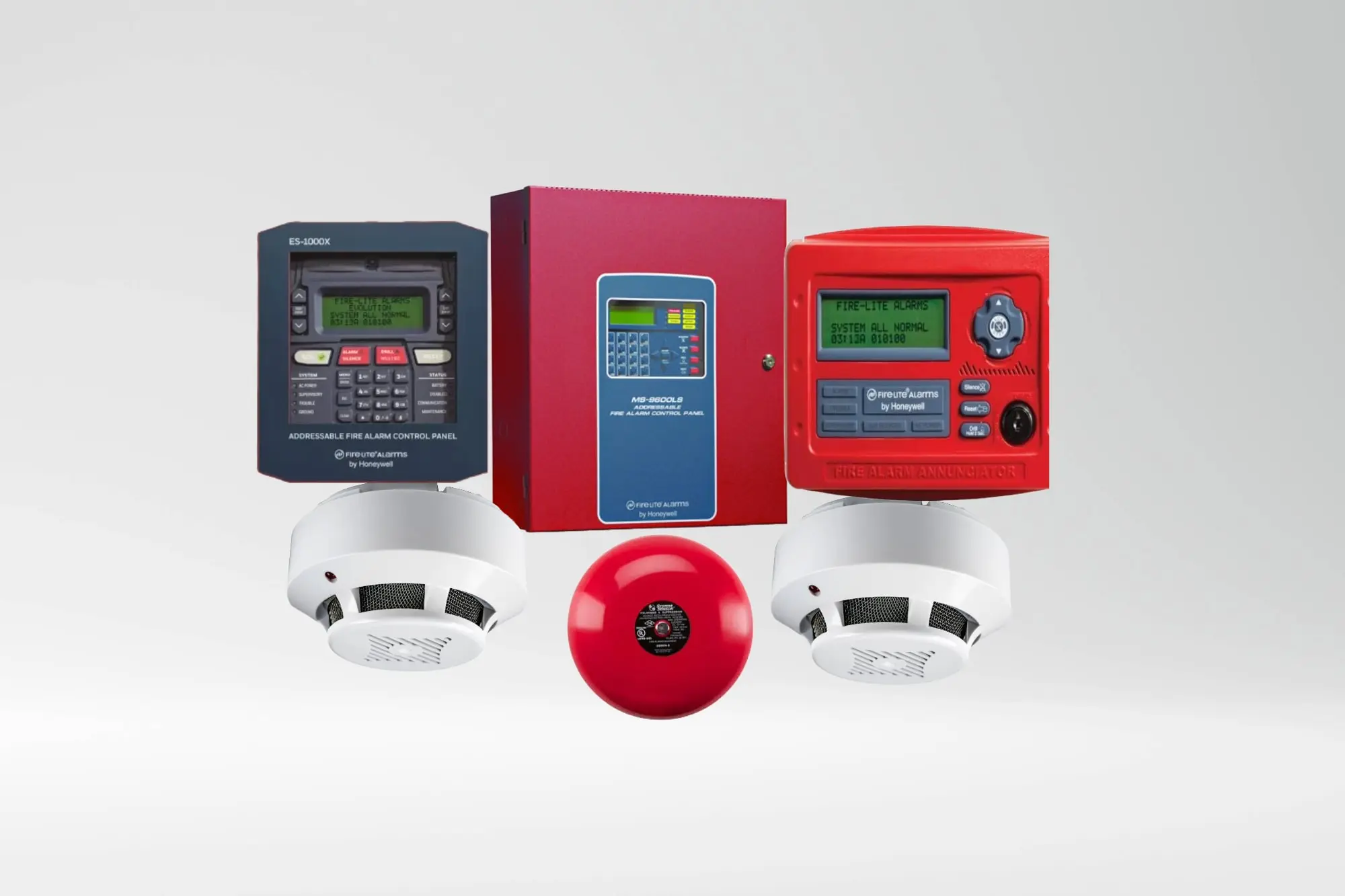

Fire Alarm Systems: Design, Installation, and Maintenance
A fire alarm system is a life safety system that has to detect conditions, communicate clearly, and coordinate with the building during an event. It must also pass inspection, meet code, and remain serviceable over time.
Andrew Casey Integration provides fire alarm system design, installation, and maintenance for commercial, industrial, and institutional facilities in Dayton, Cincinnati, Columbus, Toledo, and surrounding areas.
Code, Compliance, and System Responsibility
Fire alarm systems are developed in accordance with NFPA 72, NEC, and local AHJ requirements.
Code is not applied after the fact. It shapes device placement, circuiting, notification, communication, and system behavior from the beginning. The system must meet requirements on paper and perform during inspection and testing.
Fire Alarm System Design
System design starts with building conditions. Occupancy, layout, ceiling height, equipment, and system interaction determine how detection and notification are applied.
Design development includes:
- detection and notification coverage
- device selection and placement
- control panel layout
- circuit design and pathway routing
- communication method selection
- integration with building systems
System type is selected based on building complexity and operational needs.
Conventional systems are used in smaller or simpler buildings where zone-level identification is sufficient.
Addressable systems are used where device-level identification, faster response, and detailed system information are required, typically in larger or more complex buildings.
Installation and System Execution
Installation is the physical execution of the design. Devices, wiring, panels, and interfaces must be installed so the system operates as intended and can be tested, inspected, and serviced without obstruction.
This includes:
- control equipment and power supplies
- initiating devices and notification appliances
- wiring pathways and terminations
- communication equipment
- interface modules for system integration
Proper installation supports inspection, reduces troubleshooting time, and prevents rework.
System Integration and Building Coordination
Fire alarm systems interact with other building systems and must control or respond to them during an event.
Typical coordination includes:
- sprinkler system monitoring
- HVAC shutdown and smoke control response
- elevator recall
- door release and access control interface
- voice evacuation and emergency communication
- emergency radio communication through BDA systems
These functions are defined through a sequence of operations and verified during testing so the building responds predictably.
Communication and Monitoring
Fire alarm systems require a reliable method of transmitting alarm, supervisory, and trouble signals.
Communication methods may include:
- cellular reporting
- IP-based reporting
- dual-path communication
- radio-based communication
- legacy phone-based methods where applicable
Selection depends on building conditions, available infrastructure, and monitoring requirements.
Inspection, Testing, and Maintenance
Fire alarm systems are required to be inspected and tested at defined intervals under NFPA 72.
Typical requirements include:
- periodic visual inspections of system condition and status
- functional testing of devices and system components
- verification of communication paths
- annual testing of the full system and integrated functions
- documentation for compliance and AHJ review
These requirements are not optional. They are necessary to maintain a compliant and operational system.
Ongoing maintenance supports system reliability, inspection readiness, and long-term performance. Learn more about Fire Alarm Testing.
Real-World Conditions
Fire alarm systems are often evaluated under conditions that expose design and coordination issues:
- failed inspections
- building renovations and tenant build-outs
- expansion of existing systems
- legacy equipment that no longer meets current requirements
- coordination conflicts between trades
A system built with clear design and coordination reduces delays, rework, and approval issues.
Commercial Applications
Fire alarm systems are developed for a range of commercial and institutional buildings, including:
- office buildings
- retail and multi-tenant spaces
- warehouses and manufacturing facilities
- healthcare and educational buildings
- hotels and large occupancy venues
- government and data center environments
Each building type requires adjustments in design, coordination, and system behavior.
Fire Alarm FAQ
What does a fire alarm system do in a commercial building?
A fire alarm system detects fire or smoke conditions, alerts occupants, and coordinates with other building systems during an event. It may also trigger functions such as sprinkler monitoring, HVAC shutdown, elevator recall, door release, and emergency communication.
What is the difference between a conventional and an addressable fire alarm system?
A conventional fire alarm system identifies events by zone. An addressable fire alarm system identifies individual devices, which allows more precise event location, faster troubleshooting, and better system visibility in larger or more complex buildings.
How often does a fire alarm system need to be tested?
Fire alarm systems are inspected and tested at defined intervals under NFPA 72. The exact schedule depends on the system, the building, and local enforcement, but regular inspection, testing, and documentation are required to maintain compliance.
Can a fire alarm system be integrated with other building systems?
Yes. Fire alarm systems are often integrated with sprinkler systems, HVAC equipment, elevators, access control systems, voice evacuation systems, and emergency radio communication systems. These interactions must be planned and tested so the building responds correctly during an alarm event.
What types of buildings need commercial fire alarm systems?
Commercial fire alarm systems are used in office buildings, retail spaces, warehouses, manufacturing facilities, schools, healthcare facilities, hotels, government buildings, and other occupied commercial or institutional properties where fire detection, occupant notification, and code compliance are required.
When should an existing fire alarm system be upgraded or expanded?
A system may need to be upgraded or expanded during renovations, tenant build-outs, occupancy changes, panel obsolescence, failed inspections, or when the existing system no longer meets current code or building needs.
System-Level Approach
Fire alarm systems are not treated as a collection of components. They are developed as complete systems where design, installation, integration, and maintenance are aligned.
The result is a system that installs cleanly, passes inspection, and operates as intended when needed.
Expert Technicians
Certified experts ensure precise testing, inspection, and maintenance of your fire alarm system.
Transparent Pricing
Clear, upfront costs with no hidden fees, make it easy to budget for fire alarm services.
Emergency Services
Quick, expert response to minimize downtime and restore your fire alarm system’s full functionality.
Project Management
Flawless execution and timely delivery of your fire alarm testing and inspection services.
Top-Quality Products
High-quality components and reliable testing tools for exceptional fire alarm system performance.
Service First
Committed to excellence with thorough inspections, detailed reporting, and exceptional follow-up support.