
Fire Alarm Testing, Inspection, and Maintenance
Fire alarm testing and inspection verify that a system operates as required, communicates properly, and remains compliant with code. A system that is not tested regularly cannot be assumed to function during an event.
Andrew Casey Integration provides fire alarm testing, inspection, and maintenance for commercial, industrial, and institutional facilities in Dayton, Cincinnati, Columbus, Toledo, and surrounding areas.
Code Requirements and Compliance
Fire alarm systems are inspected and tested in accordance with NFPA 72 and the requirements of the local Authority Having Jurisdiction (AHJ).
These requirements define how often systems are inspected, what components must be tested, and how results must be documented. Compliance is not optional. Systems must be maintained in working order and verified through regular inspection and testing.
Learn more about Fire Alarm System Design, Installation, and Maintenance.
What Is Tested
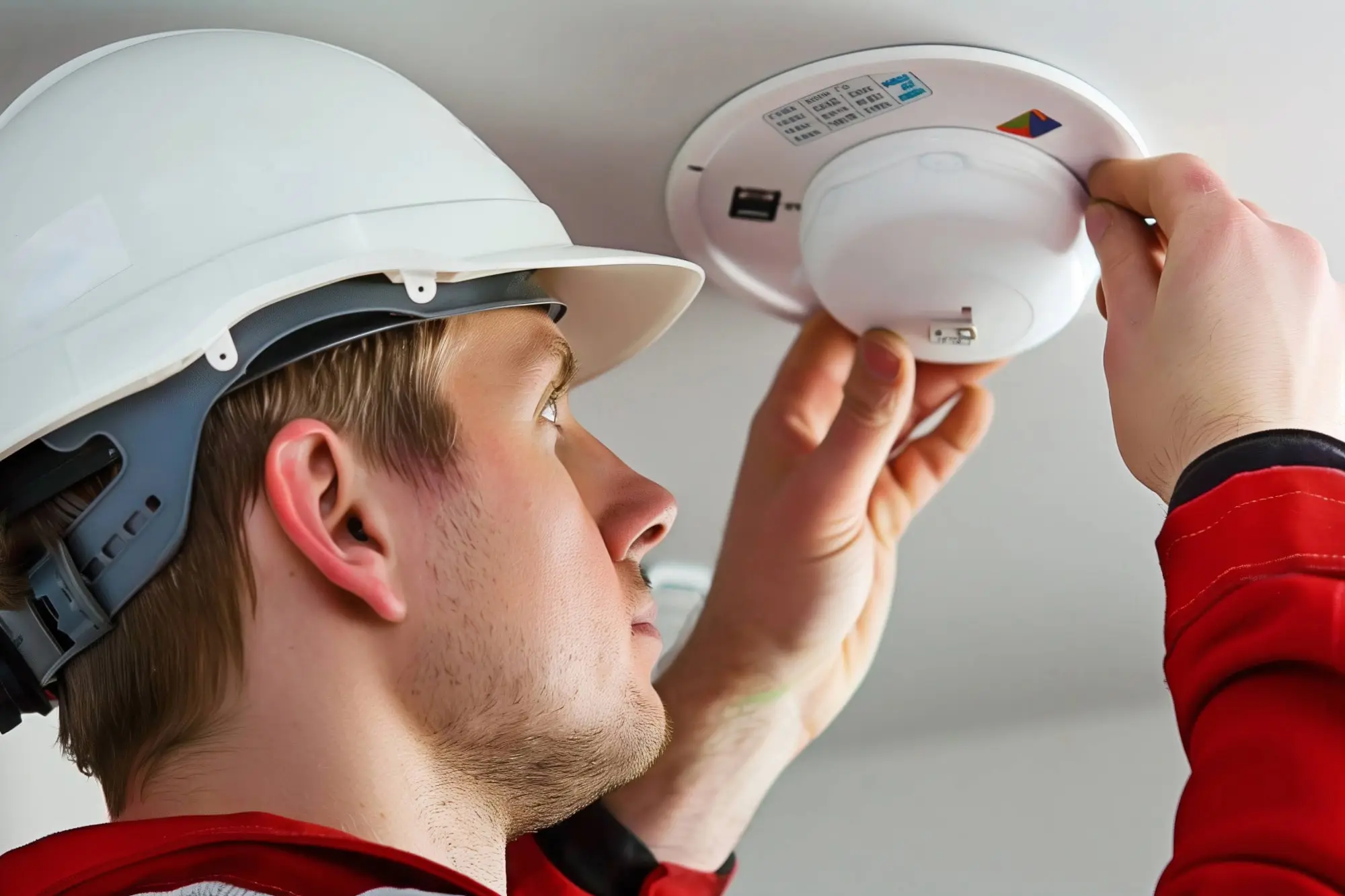
Fire alarm testing is performed at the system level. Devices, control equipment, communication paths, and system interactions are verified to ensure proper operation.
Detection Devices
- Smoke detectors (photoelectric, ionization, air sampling, where installed)
- Heat detectors and specialty detection devices
Notification Systems
- Horns, strobes, and audible/visual devices
- Voice evacuation systems where applicable
Control Equipment
- Fire alarm control panels
- Power supplies and battery backup systems
- System programming and panel response
Communication Systems
- Cellular, IP, and dual-path communication
- Signal transmission to monitoring services
System Integration
- Sprinkler system monitoring
- HVAC shutdown and smoke control response
- Elevator recall
- Door release and access control interface
- Emergency radio communication systems (BDA)
Each component is tested to confirm it responds correctly and communicates with the system as intended.
Inspection Intervals and Testing Scope
Inspection and testing intervals vary based on system type, building use, and local enforcement, but typically include:
- Periodic visual inspections of system condition
- Functional testing of devices and system components
- Verification of communication paths
- Annual testing of the full system, including integrated functions
- Documentation for compliance and AHJ review
These intervals are defined by code and must be followed to maintain compliance.
Deficiencies and System Corrections
Testing often identifies issues that prevent the system from operating correctly or meeting code.
Common deficiencies include:
- Device failures or improper response
- Communication faults
- Wiring or connection issues
- Programming or sequence errors
- Components that no longer meet current requirements
When deficiencies are identified, corrective action is required to restore system performance and maintain compliance.
Documentation and Reporting
Each inspection and test is documented to provide a record of system condition and compliance.
Reports include:
- Devices and components tested
- Deficiencies identified
- Corrective actions taken or required
- System status at time of inspection
Documentation is required for AHJ review and supports ongoing system management.
Maintenance and Ongoing Service
Fire alarm systems require ongoing maintenance to remain operational and compliant.
Maintenance may include:
- Cleaning and calibration of devices
- Battery replacement
- Repair or replacement of failed components
- System adjustments after building changes
- Verification of communication and integration functions
Regular maintenance reduces failures, supports inspection readiness, and extends system life.
When Testing and Inspection Become Critical
Fire alarm testing and inspection are most critical when:
- Preparing for scheduled inspections
- Addressing failed inspections
- Modifying or expanding existing systems
- Completing renovations or tenant build-outs
- Maintaining older or legacy systems
In these conditions, clear testing and documentation determine whether a system passes or requires rework.
Why Choose Andrew Casey Integration
Andrew Casey Integration operates with a Service First philosophy. Fire alarm testing, inspection, and maintenance are not treated as routine checklists or transactional service calls. The work is approached as a life safety responsibility tied to code compliance, system performance, and long-term reliability.
Systems are evaluated based on how they function in the field, how they will be inspected, and how they coordinate with the building as a whole. This includes code requirements, Authority Having Jurisdiction (AHJ) expectations, documentation, deficiencies, and corrective action when needed.
The objective is clear: a system that operates correctly, passes inspection, and remains compliant over time.
Fire Alarm Testing FAQ
How often does a fire alarm system need to be inspected and tested?
Fire alarm systems are inspected and tested at defined intervals under NFPA 72. The exact schedule depends on the system, occupancy, and local enforcement, but regular inspection, testing, and documentation are required to maintain compliance.
What happens if a fire alarm system fails inspection?
If a system fails inspection, deficiencies must be corrected before approval is granted. This may include device replacement, wiring corrections, programming changes, or updates needed to meet current code requirements.
What is included in a fire alarm inspection report?
Inspection reports document the devices and functions tested, system condition, deficiencies found, and any corrective action required or completed. These records support compliance and AHJ review.
Do all fire alarm systems require annual testing?
Most systems require at least annual testing of devices, notification appliances, control functions, and system integration. Additional inspection or testing intervals may apply depending on the system and local requirements.
Can fire alarm testing be done during normal business operations?
In many cases, testing can be scheduled to reduce disruption. Some procedures may still require temporary system activation or coordination with building operations.
When should a fire alarm system be upgraded instead of repaired?
Upgrades are often needed when a system is obsolete, repeatedly fails, cannot support building changes, or no longer meets current code requirements.
System-Level Service
Fire alarm testing, inspection, and maintenance are treated as part of a complete system, not isolated tasks.
The goal is to ensure the system operates correctly, meets code requirements, and remains ready to perform when needed.
Expert Technicians
Certified experts ensure precise testing, inspection, and maintenance of your fire alarm system.
Transparent Pricing
Clear, upfront costs with no hidden fees, make it easy to budget for fire alarm services.
Emergency Services
Quick, expert response to minimize downtime and restore your fire alarm system’s full functionality.
Project Management
Flawless execution and timely delivery of your fire alarm testing and inspection services.
Top-Quality Products
High-quality components and reliable testing tools for exceptional fire alarm system performance.
Service First
Committed to excellence with thorough inspections, detailed reporting, and exceptional follow-up support.